Health Initiatives for Safety and Stability in Africa - Local OVC Partners in Nigeria Region 3 (HIFASS-LOPIN 3) started in 2014 as a five-year USAID-funded project, implementing the Orphans and Vulnerable Children (OVC) program in Cross River and Ebonyi States, with the goal of mitigating the impact of HIV/AIDS on children and their households.
The project works to improve systems and structures at state, LGA and community levels to ensure provision of quality care, protection and support services to Children Living with HIV (CLHIV), Adolescents Living with HIV (ALHIV) and their households and support improved organizational and technical capacities of local CSOs to provide care and support services to CLHIV and ALHIV in all states of operation.
As at August 2018, 56,818 OVCs and Caregivers were catered for by the project. They received services in health, education, birth registration, psychosocial support, HIV Testing Services and economic empowerment for vulnerable households and adolescents in the form of seed grants for business startup, skill acquisition and receipt of start-up materials for business. After attainment of the nationally approved care level, 23,972 beneficiary OVCs and their households were graduated from the project. This graduation covered implementation sites in Ebonyi state and nine Local Government Areas in Cross River state.
With the realignment of PEPFAR activities in 2018, project activities were streamlined to five local government areas in Cross River state – Calabar South, Calabar Municipal, Akamkpa, Odukpani and Akpabuyo. Services received by the enrollees include Community Case Management, referral services, nutritional assessment as well as growth monitoring and referral of malnourished children to care, economic empowerment of highly vulnerable households, educational support, Gender Based Violence prevention and response, child and social protection services etc.
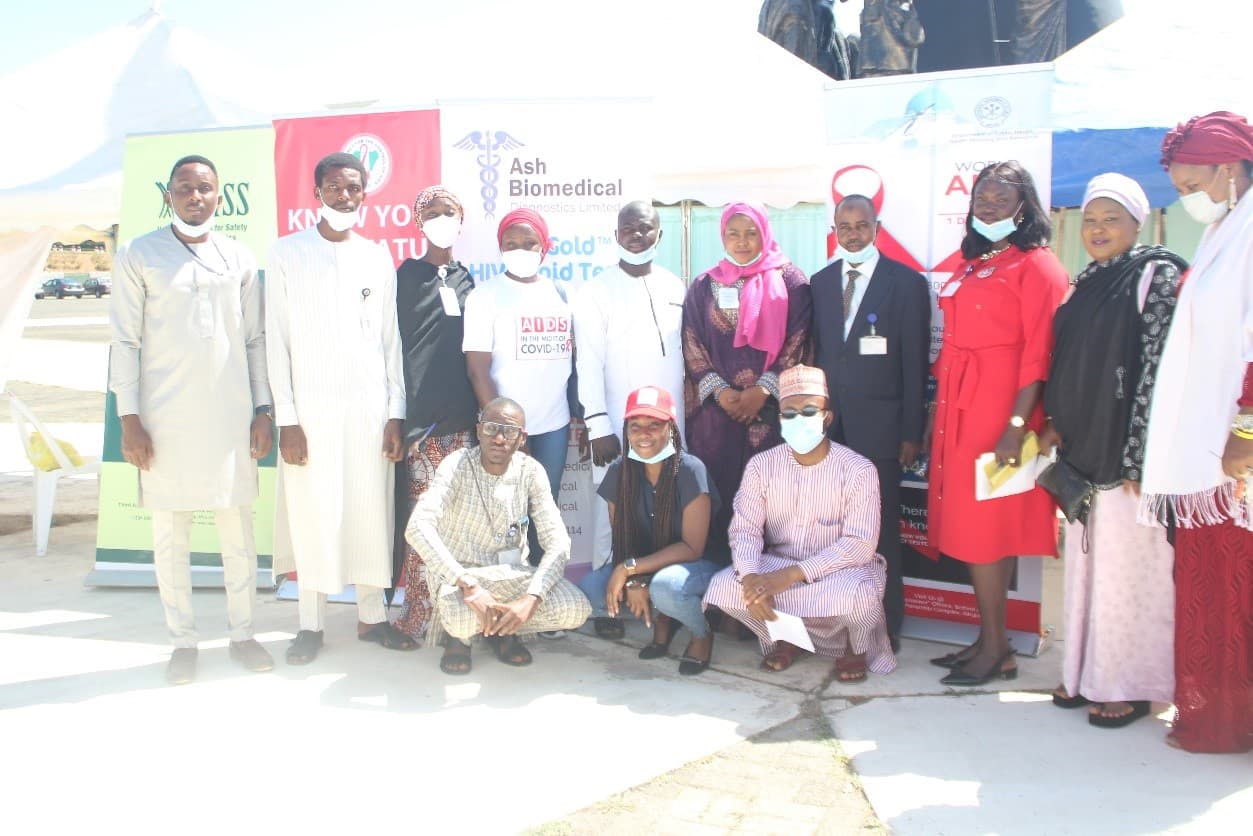
In 2019, USAID introduced the surge response to HIV strategy, after review of the National AIDS Indicator and Impact Survey (NAIIS). HIFASS-LOPIN 3 was given three additional states of implementation – Akwa Ibom, Kano and Adamawa State. With the same goal but with greater focus on children, the project is working hard to identify positive children, link them to treatment and ensure their caregivers are empowered with knowledge (for example – proper nutrition) and other areas including economic support, where necessary, so the children can receive appropriate care and lead normal lives.
Ultimately, it is expected that every child enrolled in the project will emerge healthy, safe, stable, schooled.